Outdated hardware rarely fails at once. It simply stays in place longer than it should.
The client’s IT environment had evolved gradually, without a defined lifecycle behind it. New devices were introduced when needed, while existing hardware remained in use for as long as it continued to function. Networking equipment followed the same pattern, staying in place for years without a clear plan for replacement.
From a day-to-day perspective, the environment appeared stable. Users were able to work, systems were accessible, and there were no immediate disruptions that would suggest a problem.

A closer review showed something different. As is often the case, much of the hardware had already moved beyond its supported lifecycle. Devices and network components were no longer backed by manufacturers and, in several cases, were no longer aligned with current security standards.
This included core networking equipment, as well as supporting systems such as on-site wiring and phone infrastructure, which had been installed over time by different vendors without a consistent standard. In practice, this meant there was no clear ownership or documentation, making even simple changes harder than they needed to be.
Understanding the current state
The first step was to establish a clear view of what was actually in place.
Through a structured IT audit, all user devices and networking equipment were reviewed, with a focus on lifecycle status, support coverage, and security alignment. Each component was assessed as part of the wider environment, rather than as an isolated issue.
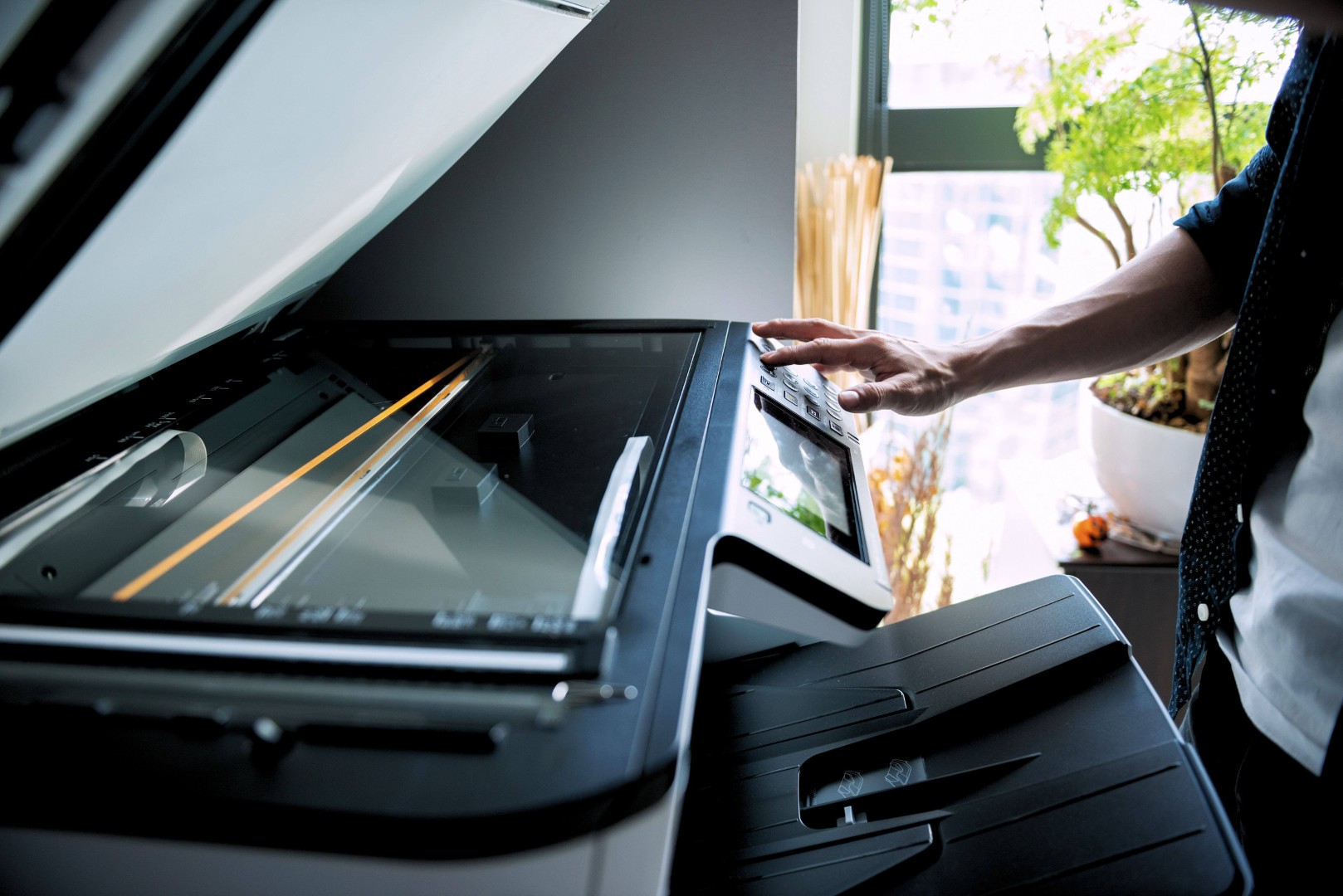
This also included systems such as printers, phone infrastructure, and internal wiring, each managed by separate providers. In practice, this meant there was no single point of coordination, making even routine requests slower and more difficult to manage.
The findings were consistent. A significant portion of the equipment was operating beyond end-of-life, without manufacturer support and without a clear path for maintenance or replacement.
Introducing lifecycle management
After establishing a clear diagnosis, planning the next steps became much more straightforward.
This led to a structured approach to hardware lifecycle management, defined in collaboration with our account and project management teams. Unsupported equipment was identified and prioritized for replacement, while new devices were introduced with proper manufacturer support and aligned with current security policies.
Vendors responsible for systems such as printers, phones, and infrastructure were coordinated through a single process. This reduced delays, clarified responsibilities, and made ongoing maintenance and future changes significantly easier to manage.
An important requirement for the client was that the transition remain gradual and controlled, which was built into the approach from the start. Instead of reacting to isolated issues without a plan, a structured equipment lifecycle plan was introduced from the beginning of the transition. The plan was based on the overall condition of the environment and long-term requirements.
A more predictable environment
From the outside, there were no signs of dramatic change. The environment continued to function much as before from the user’s perspective. Systems remained accessible and day-to-day work was uninterrupted.
The difference lies in how the infrastructure is now managed, as well as in the long-term reliability and scalability of the environment. Hardware is aligned with current industry standards, making ongoing maintenance more predictable and reducing the likelihood of unexpected issues.

This is not an isolated case. Situations like this are common, where hardware remains in place longer than intended simply because it “still works.” At Creative Tech, we focus on improving these environments with minimal disruption, introducing structure where it is missing and helping clients build a more stable foundation for the future.
In many cases, this also means bringing together systems that were previously handled separately into a single, manageable environment.